Calm the Chaos: Nervous System Regulation for Modern Life
Actualizado el

Nervous System Regulation for a Notification-Driven Lifestyle
Think about the last time your phone buzzed while you were focused. Did you feel a slight jolt in your chest? A tiny spike in your heart rate? That is your nervous system reacting to a digital «threat.» We treat notifications like minor pings, but to our biology, they are indistinguishable from a twig snapping in the woods behind a hunter. We aren’t just «distracted»; we are living in a state of chronic physiological arousal. Learning to regulate your nervous system isn’t just about «stress management»—it’s about recalibrating your body to handle the speed of the 21st century without breaking.
Beyond «Just Relaxing»: The Regulation Myth
Most people think regulation means being «zen» or perfectly calm all the time. This is a myth. A healthy nervous system is like a high-performance car; it needs to be able to accelerate when necessary and brake effectively when the journey is over. The problem with a notification-driven lifestyle is that we are constantly hitting the gas pedal, but our brakes have been disconnected.
The reality check:
- Regulation is about flexibility: Being able to move between high energy and deep rest.
- Notifications are «micro-stressors»: They trigger the sympathetic nervous system (fight-or-flight) dozens of times a day.
- The goal: Moving from a «reactive» state to a «responsive» state.
Finding Balance in High-Stakes Environments
While we often blame technology for our stress, the solution isn’t always to hide in a dark room. Regulation is actually about teaching your body how to stay centered even when the stakes are high. In fact, engaging in activities that demand intense focus and emotional control can be a powerful form of «exposure therapy» for your nervous system.
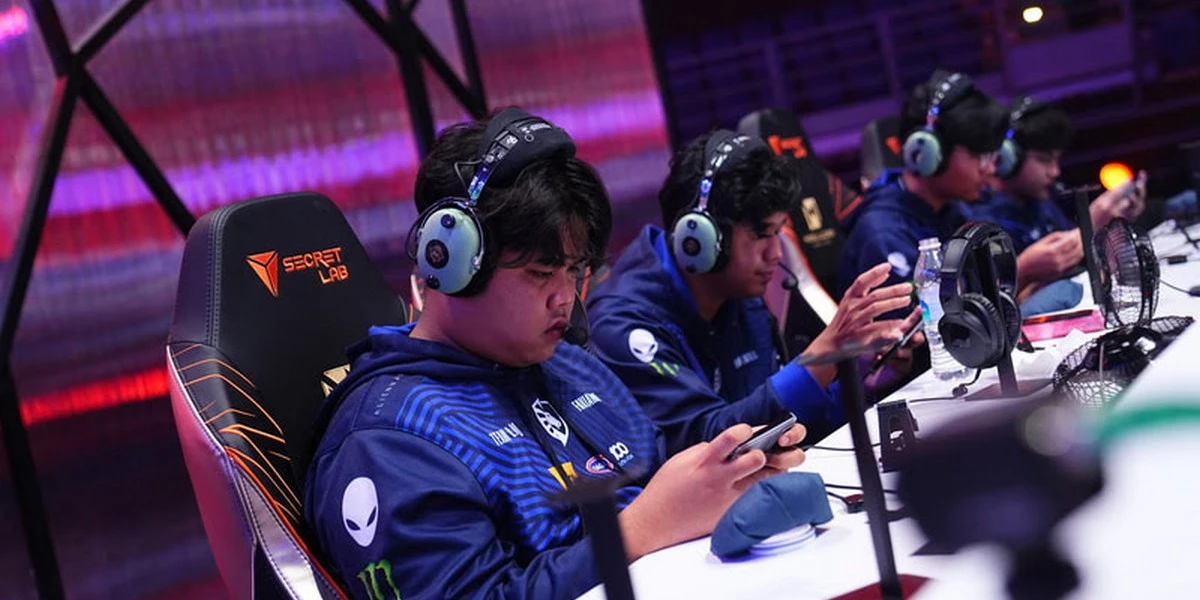
Consider the focused environment of a digital gaming floor. When players visit online casinos like Casino NV, they aren’t just looking for a distraction; they are engaging in a high-stakes environment where emotional regulation is part of the game. To play well, one must remain calm under pressure, manage the adrenaline of a big win, and stay grounded during a loss. This type of intentional engagement acts as a training ground. By choosing to step into a high-energy space where you must actively manage your physiological responses, you are teaching your nervous system that it can handle intensity without spiraling into panic. The key is moving from «accidental» stress (like a random work email) to «intentional» intensity where you remain the pilot of your own reactions.
The Regulation Checklist: Are You in «Digital Survival Mode»?
Before you can fix the system, you have to know when it’s red-lining. Check off how many of these symptoms you’ve experienced in the last 48 hours:
- [ ] Phantom vibration syndrome: Feeling your phone buzz even when it’s not in your pocket.
- [ ] Breath holding: Realizing you aren’t breathing while reading an email or scrolling.
- [ ] Jaw clenching: Finding your teeth ground together while checking social media.
- [ ] The «doomscroll» trance: Feeling physically unable to put the phone down despite being tired.
- [ ] Startle response: Jumping or feeling annoyed when someone speaks to you while you’re on a device.
If you checked more than three, your nervous system is likely stuck in a «high-alert» loop.
Practical Tools for the Digital «Cool Down»
You don’t need to move to a cabin in the woods to regulate your system. You can implement «biological brakes» throughout your day to reset your baseline.
Physiological Sighs
This is the fastest biological way to lower your heart rate. Inhale deeply through your nose, then at the very top, take one more tiny «sip» of air to fully inflate the lungs. Exhale slowly through your mouth. Doing this just three times signals the brain that the «threat» has passed.
The 20-20-20-2 Rule
We know the rule for eye strain (look 20 feet away every 20 minutes), but for the nervous system, add a «2.» Every 20 minutes, look away from your screen and take 2 minutes to notice the physical weight of your body in your chair. This «grounds» your attention back into your physical self rather than the digital world.
Peripheral Vision Expansion
When we focus on a screen, our vision narrows, which is a hallmark of the stress response. Occasionally, soften your gaze and try to see the corners of the room without moving your eyes. Expanding your field of vision physically forces your brain to switch from the sympathetic (stress) to the parasympathetic (rest) system.
The Future of the «Connected» Human
We are the first generation of humans to carry the entire world’s opinions and emergencies in our pockets 24/7. Our biology has not yet evolved to handle this much input. Therefore, the «smart» person of the future won’t just be the one with the most information—it will be the one with the most regulated body.
When you master your nervous system, notifications stop being «attacks» and start being what they were meant to be: simple data points. You gain the ability to look at a «high-priority» alert, acknowledge it, and then go back to your dinner or your sleep without your heart racing for the next hour. This isn’t just about productivity; it’s about the fundamental right to feel safe in your own skin, regardless of what is happening on your screen. Regulation is the ultimate act of rebellion in a world that profits from your agitation.